Couples Counseling in Greensboro, NC
Some problems need a room where both people can finally say what’s been going unsaid. In-person in Greensboro and online across North Carolina.
Couples Counseling for Communication, Trust, and Reconnection
Couples counseling is structured therapy focused on how two people communicate, handle conflict, and stay connected over time. A lot of couples come in thinking the problem is what they argue about. It rarely is. The pattern underneath those arguments, the same cycle, different topic, repeating itself, is usually what needs attention.
Your therapist doesn’t take sides. The work is about helping both partners understand what each person is bringing into the room and why the same conversations keep going sideways. That’s different from solving your problems for you. It’s about creating the conditions where you can solve them together.
A Path to Wellness sees couples across all relationship structures: married, unmarried, LGBTQ+, polyamorous, and everything in between.
Relationship Concerns We Work With
No two relationships come in with the same problem, and good therapy doesn’t treat them like they do. What follows is a sampling of what brings couples through the door; if yours isn’t listed, it probably still fits.
Common Presenting ConcernsHow We Approach Couples Work
Effective couples therapy draws from several frameworks. Your therapist selects and combines approaches based on what the two of you are actually navigating, not a one-size protocol.
Emotionally Focused Therapy
Gottman Method
Cognitive Behavioral Therapy
Attachment-Focused Work
Mindfulness-Based Therapy
Trauma-Informed Therapy
Discernment Counseling
Relational Therapy
Both partners set the pace. Your therapist adapts the approach to what you’re actually facing, not a standard checklist.
We Don’t Bill Insurance for Couples Work. Here’s Why.
Couples counseling is a private-pay service at A Path to Wellness. This is not an oversight or an inconvenience, it’s a deliberate decision that protects your privacy and keeps the focus of treatment where it belongs.
Couples counseling treats the relationship itself, not a specific individual. When a therapist bills insurance, the claim must be tied to one person’s psychiatric diagnosis, which shifts the treatment agenda away from the relationship and onto an individual’s symptoms. Our work centers on the relationship, and that’s where our advocacy stays.
Relationship Struggles Aren’t a Mental Health DisorderStruggling in a relationship is not evidence of impairment; it’s often a natural result of two people navigating something neither has fully learned. It takes two to tango, and when either person has never tangoed, the dance can look like a mess. That’s not a diagnosis — it’s context.
If a Previous Couples Therapist Billed Your Insurance…It required framing your relationship’s challenges as a psychiatric condition in one partner. We don’t do that. We advocate for your relationship.
Dr. Tom Murray explains why couples counseling isn’t billed to insurance, and how to make the most of out-of-network benefits if your plan includes them.
Why Couples Choose Us
Specialized couples therapy is different from general counseling. The training, the frameworks, and the clinical focus all matter when the relationship itself is what you’re trying to repair.
Our practice includes AASECT-certified sex therapists with advanced training in couples work, sexual health, and relational dynamics.
We use Gottman Method, EFT, and CBT — frameworks with documented outcomes for communication, conflict, and relationship repair.
Couples therapy is not a side service here. It’s a primary clinical focus, and it requires specialized training that not all therapists have.
Married, unmarried, LGBTQ+, polyamorous — our therapists work with couples across every structure without judgment or assumption.
See us in Greensboro or connect from anywhere in North Carolina via telehealth. Both options offer the same level of clinical care.
We don’t come in with an agenda about what your relationship should look like. The direction of treatment follows your goals, not ours.
Discernment Counseling
For couples who aren’t sure whether to stay together or separate, discernment counseling provides a structured process to reach clarity — without pressure in either direction. It’s not couples therapy, and it’s not mediation. It’s designed specifically for the ambivalent middle.
Learn About Discernment Counseling →AASECT Couples Sex Therapy
When intimacy and sexual concerns are part of what’s broken down, our AASECT-certified practitioners offer couples sex therapy alongside or as an extension of couples counseling. Desire differences, intimacy avoidance, and sexual disconnection are clinical concerns, not personal failures.
Learn About Couples Sex Therapy →Virtual Couples Counseling Across North Carolina
All three therapists at A Path to Wellness offer telehealth sessions for couples. Whether scheduling is difficult, you live outside Greensboro, or you simply prefer to meet from home, virtual sessions offer the same quality of care.
 Dr. Tom Murray
AASECT CST · PhD, LMFT, CSTS, CFT
Practice Owner
Dr. Tom Murray
AASECT CST · PhD, LMFT, CSTS, CFT
Practice Owner
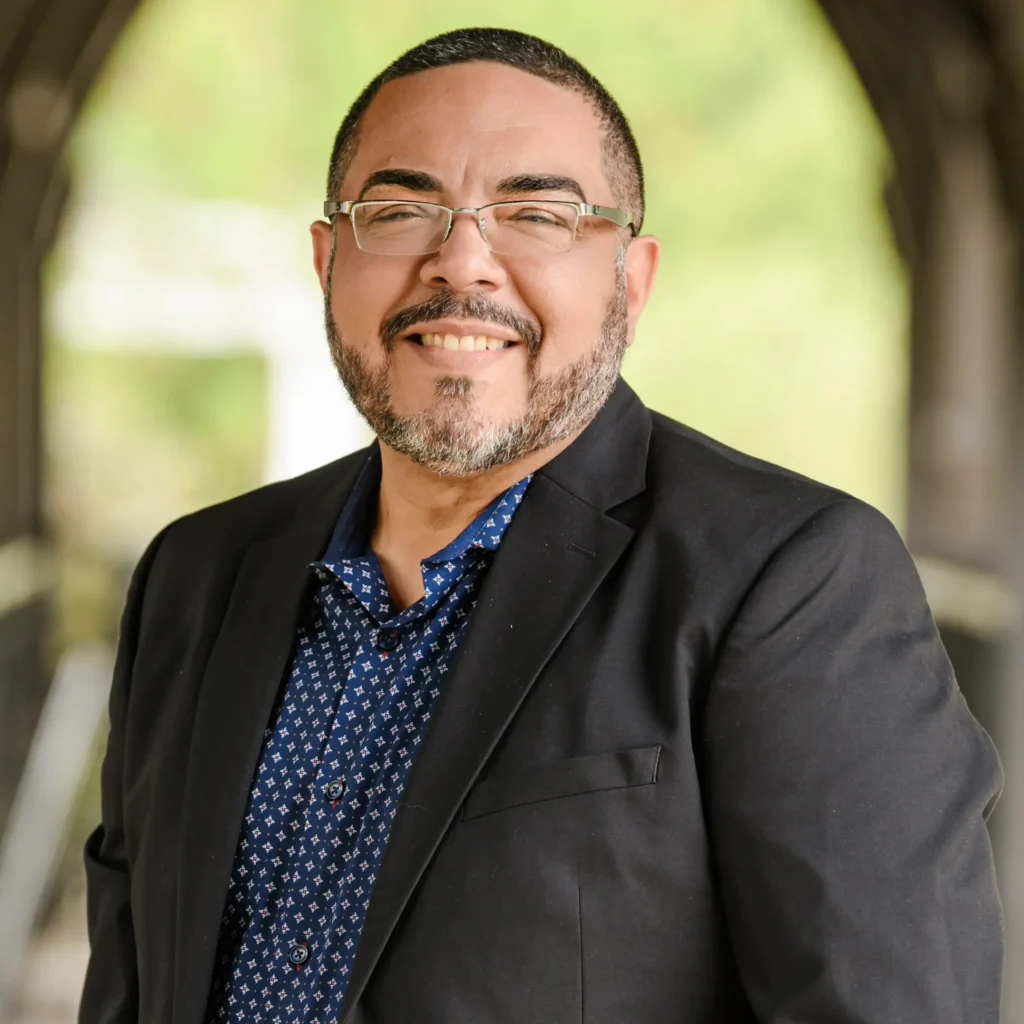 Randy Garcia Zavala
LCMHCA · Bilingual EN/ES
Randy Garcia Zavala
LCMHCA · Bilingual EN/ES
 Hannah Smith
LCMHC · AASECT CST
Hannah Smith
LCMHC · AASECT CST
Select clinicians are licensed in additional states; verify current availability at time of booking.
Couples Counseling FAQ
What is couples counseling?
Couples counseling is structured therapy designed to improve how two people communicate, handle conflict, and stay emotionally connected. It’s different from individual therapy because the focus isn’t on one person’s diagnosis or history — it’s on the dynamic between both of you.
At A Path to Wellness, sessions draw from evidence-based methods including Emotionally Focused Therapy (EFT), Gottman Method, and Cognitive Behavioral Therapy. Your therapist doesn’t take sides. The goal is to help both partners understand what’s driving the cycle you’re stuck in and how to change it.
Do we need to be married to come to couples counseling?
No. Couples counseling is available to any two people in a committed relationship, regardless of marital status. We work with unmarried partners, newly dating couples, long-term companions, and couples who are considering whether marriage is right for them.
We also see couples across all relationship structures, including LGBTQ+ partnerships and non-monogamous relationships.
What kinds of issues can couples counseling help with?
Couples come in for a wide range of concerns: communication breakdown, recurring arguments that never resolve, emotional distance, trust issues, infidelity recovery, intimacy problems, parenting conflict, blended family challenges, financial stress, and major life transitions like a move, job change, or health diagnosis.
Premarital counseling is also available for couples who want a strong foundation before committing. And when sexual concerns are part of what’s broken down, our AASECT-certified therapists can address those directly as part of or alongside couples counseling.
Is couples counseling only for relationships that are in crisis?
Not at all. Some couples come in after a specific event — an affair, a major argument, a loss. Others come in because things have been quietly getting worse for years and they don’t want to wait until it breaks completely. Both are valid reasons to start.
Couples who come in proactively, before things are critical, often have the most flexibility in how they work and what’s possible. Waiting until the relationship is in acute crisis narrows your options. If something feels off, that’s enough of a reason to schedule.
What is the difference between couples counseling and discernment counseling?
Couples counseling assumes both partners want to stay together and improve the relationship. The work is about building better communication, repairing trust, and strengthening the connection.
Discernment counseling is for couples where at least one partner isn’t sure they want to stay. It’s a short-term, structured process — typically three to five sessions — designed to help both people reach clarity about whether to work on the relationship, separate, or continue thinking it over. It doesn’t push anyone in either direction. If you’re in that ambivalent place, discernment counseling may be the better starting point.
The First Step Is Just Reaching Out
Scheduling a consultation doesn’t commit you to anything. It gives you a chance to ask questions, describe what’s happening, and find out whether A Path to Wellness is a good fit. In-person in Greensboro, or online across North Carolina.
Confidential · Judgment-Free · HIPAA-Secure
From Our Blog
Hot Topics
Real insights from our therapists on relationships, mental health, and the conversations most people are afraid to start.

Discernment Counseling for Couples on the Brink of Divorce
If you're unsure whether to stay or go, discernment counseling offers a structured, pressure-free path to clarity — without prematurely committing to either outcome.
Read More
Psychotherapy: Safe Haven for Emotional Healing and Development
Therapy isn't just for crisis. Discover how psychotherapy creates a safe, evidence-based space for healing anxiety, depression, trauma, and the challenges of everyday life.
Read More
Couples Counseling — From Conflicts to Connections
Conflict isn't the enemy of a strong relationship — how you handle it is. Learn how couples counseling helps partners move from recurring arguments to lasting connection.
Read More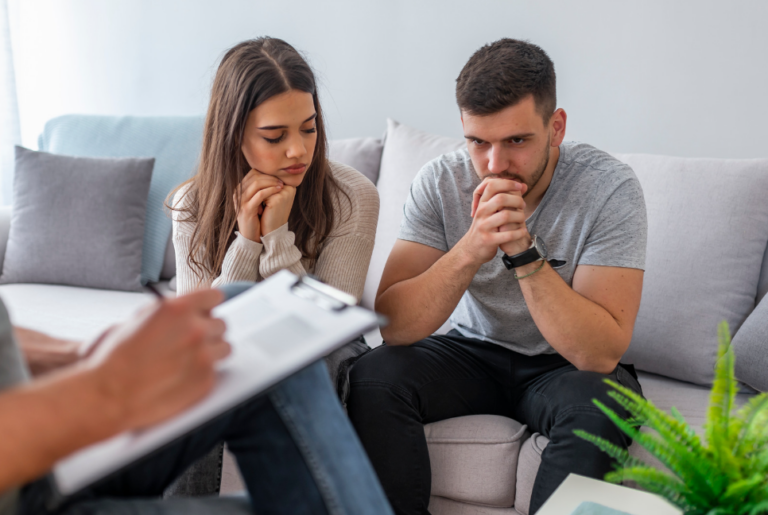
Guided Growth: A Therapist's Guide To Post-Argument Reflection
What happens after the fight matters as much as the fight itself. A therapist's guide to processing conflict, repairing connection, and growing closer through disagreement.
Read More