Discernment Counseling in Greensboro, NC
Not every couple coming to therapy wants to fix the relationship. Some need help figuring out whether to. That’s what discernment counseling is for.
A Structured Process for Couples Who Are Uncertain
Some couples come to therapy ready to do the work of repair. Others are somewhere harder to name: not sure they want to repair anything, not sure they want to leave either, just stuck. Discernment counseling was designed specifically for that in-between place.
The goal is not to fix the relationship. The goal is clarity. Dr. Murray works with both partners to slow down the reactive pressure around a major life decision and understand what actually happened, what each person’s role was, and what a thoughtful path forward looks like.
Discernment counseling is typically short-term, usually one to five sessions. The first session runs about two hours. It is not couples therapy, and it does not assume both partners are committed to staying together.

Certified Discernment Counselor
“You’ve got a massive life decision to make, and you don’t have time to waste. Traditional couples counseling assumes you both want to fix things, but right now, you aren’t even sure if you should. You need an uber-practical framework to slow down the panic, cut through the noise, and look at your options clearly.
I don’t drag you into endless sessions of ‘mmm, hmm; how does that make you feel?’ while your future hangs in the balance.
Discernment counseling is a short-term, targeted process designed for the heavy lifting of relationship uncertainty. Let’s get straight to the point so you can stop living in limbo and move forward with your life.”
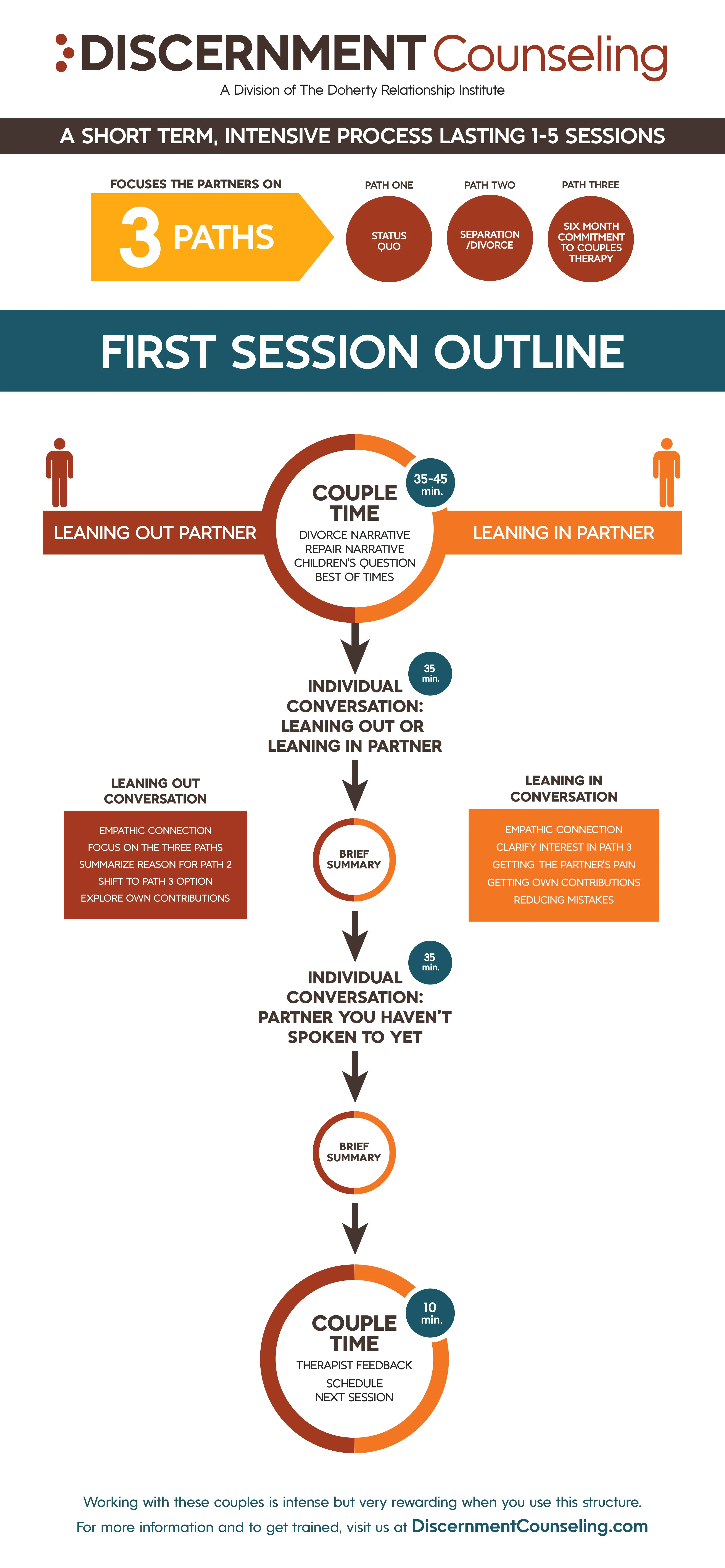
The discernment counseling framework developed by Dr. Bill Doherty, creator of the process.
How Discernment Counseling Differs From Couples Therapy
These two processes look similar from the outside, but they serve very different purposes. Knowing which one fits is the first real decision a couple has to make.
Assumes Both Partners Want to Repair the Relationship
Couples therapy works best when both people are willing to invest in improving communication, rebuilding trust, and strengthening the relationship. The work is about growth and repair.
If one partner is on the fence about whether the relationship is worth saving, couples therapy can stall, frustrate both parties, or make things worse.
Designed for Ambivalence, Not Commitment
Discernment counseling does not require both partners to be fully committed to the relationship. It’s built for couples where at least one person is uncertain about whether to stay or leave.
Rather than working on the relationship, the focus is on understanding it well enough to make a clear, intentional decision about what comes next.
Who Discernment Counseling Serves
Discernment counseling may be the right fit if any of the following describes where you are right now.
Common Reasons Couples Start Here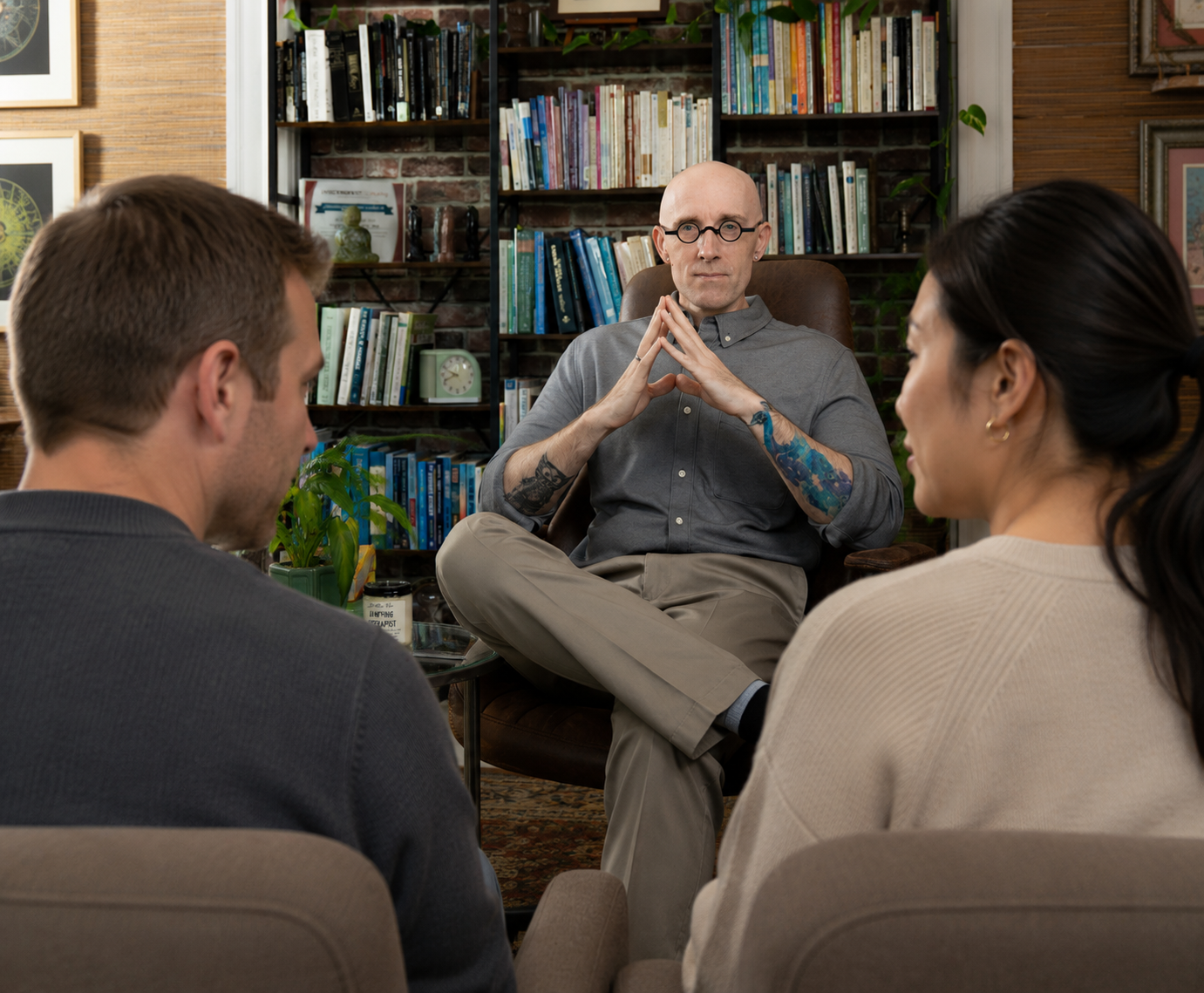
When Discernment Counseling Is Not Recommended
- Both partners have already decided to separate and are only arranging logistics
- There is active domestic violence or safety concerns in the relationship
- One partner is being coerced or pressured into attending
- Either partner is unable to participate honestly in the process
Three Paths Discernment Counseling Helps Couples Consider
Discernment counseling is not about pushing couples toward any particular outcome. It creates the conditions to consider each option clearly, without the distortion of acute conflict or emotional overwhelm.
Continue the Relationship As It Is
Some couples conclude they are not ready to make major changes and choose to continue without further therapy. This is a valid outcome. The decision is made with more clarity than before, even if nothing externally changes right now.
Move Toward Separation or Divorce
Some couples gain enough clarity to recognize that separation is the most honest next step. Discernment counseling helps them approach that process with greater understanding and less hostility, which matters especially when children are involved.
Commit to Intensive Couples Therapy
Some couples decide they want to fully invest in repairing the relationship. Discernment counseling helps them arrive at that commitment more intentionally, so that the couples therapy that follows starts from a clearer foundation.
Discernment counseling helps couples arrive at whichever path is honest, not reactive.
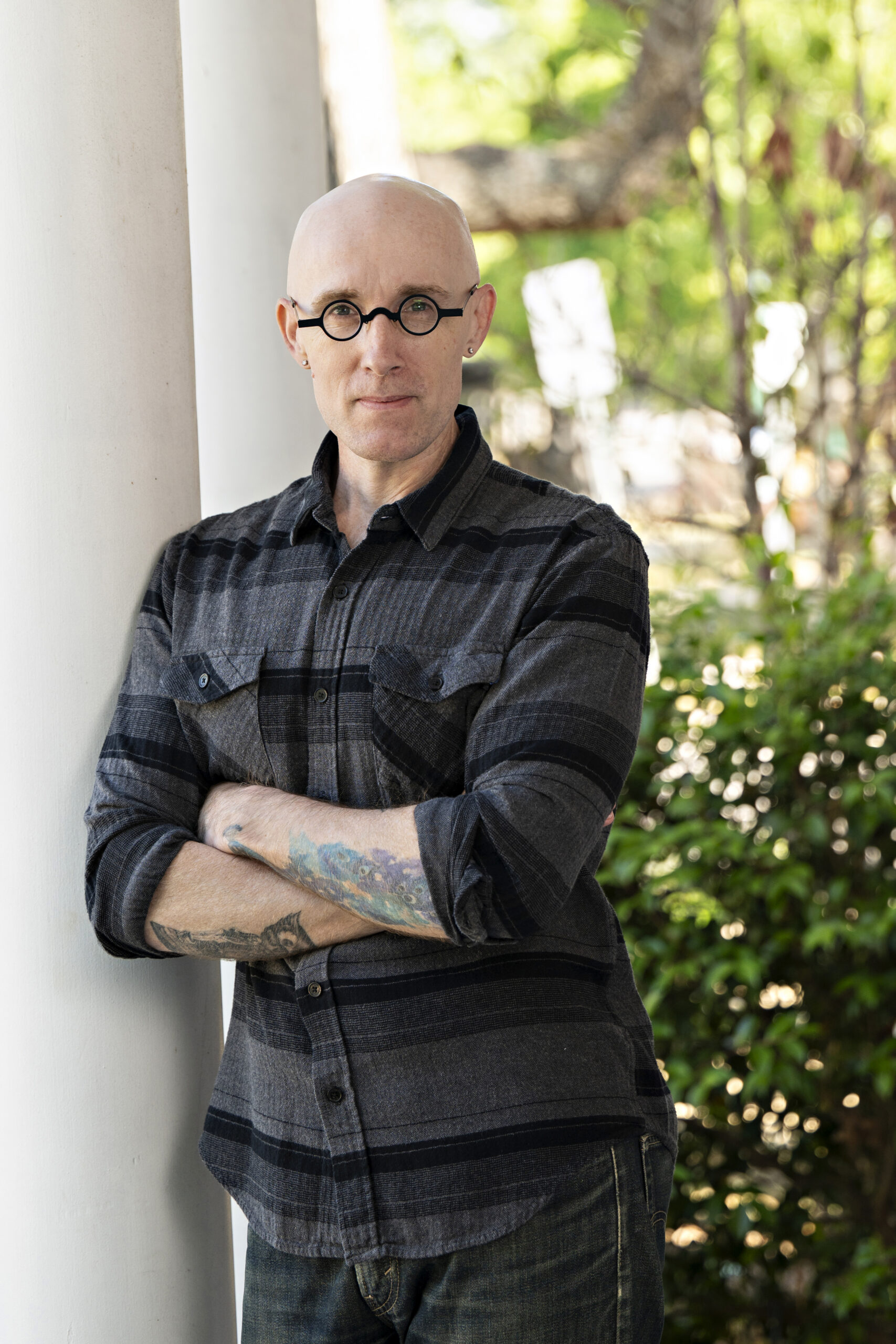
Certified Discernment Counselor
trained under the method’s founder, Dr. Bill Doherty
Dr. Tom Murray
Dr. Tom Murray is a Certified Discernment Counselor with specialized training in helping couples navigate the hardest kind of uncertainty: not knowing whether to stay or leave. He has worked with couples for over two decades across the full spectrum of relationship challenges, from early disconnection to relationships on the brink of ending.
His approach to discernment counseling is structured and balanced. Both partners are heard. Neither is pushed toward a particular outcome. The work is about understanding, not persuasion.
Dr. Murray also holds advanced credentials in couples counseling, sex therapy, and relationship dynamics. When couples complete discernment counseling and decide to commit to repair work, his background in evidence-based couples therapy means that transition can happen within the same practice.
Dr. Murray offers virtual discernment counseling for couples across the United States. Both partners may join from separate locations if needed.
Schedule Anywhere in the U.S. →What to Expect in Discernment Counseling
The discernment counseling process is structured, not open-ended. Sessions have a clear purpose at each stage, and both partners understand what the work is trying to accomplish.
Initial Joint Session
The first session runs approximately 90 to 120 minutes. Both partners share their perspective on the relationship, and Dr. Murray gathers a picture of the history, the patterns, and where each person currently stands.
Individual Time Within Sessions
Each partner has space to speak privately with the therapist as part of the session structure. This allows both people to be honest without the pressure of the other person in the room.
Pattern Exploration
Together and separately, both partners work to understand what drove the relationship to this point. The focus is on understanding, not blame. Each person examines their own role in the dynamic honestly.
Clarity Toward a Path
The final stage involves exploring the three possible paths forward and working toward the one that feels most honest and intentional. Dr. Murray does not direct the outcome. Both partners do.
Most couples complete discernment counseling in one to five sessions. The timeline depends on what each couple needs, not a preset structure.
From the Experts on Discernment Counseling
Two resources that explain discernment counseling directly from the people who practice and teach it.
Dr. Bill Doherty, the psychologist who created discernment counseling, explains the process in his own words.
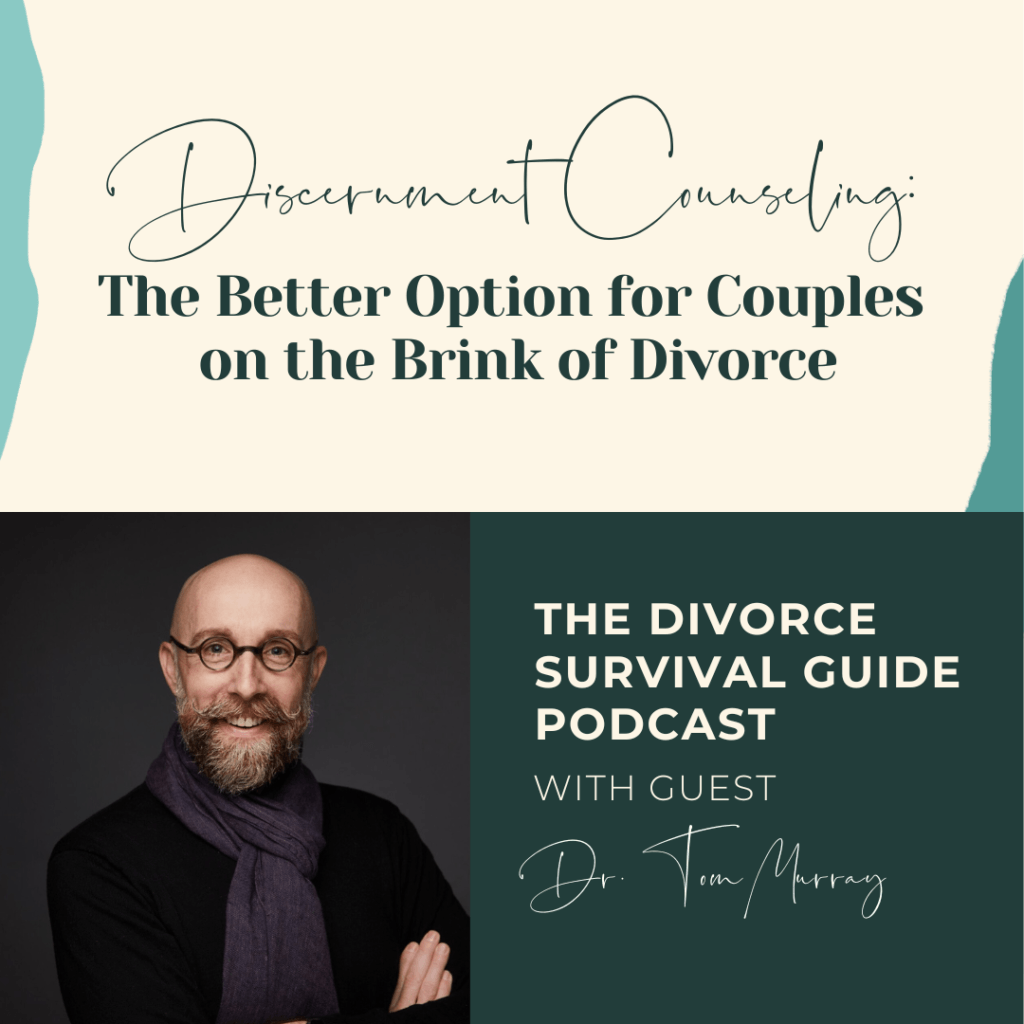
Episode 199: Discernment Counseling — The Better Option for Couples on the Brink
Dr. Murray discusses what discernment counseling actually is, who it’s for, and why it’s often a better starting point than couples therapy when the relationship’s future is genuinely uncertain.
Listen on Apple PodcastsDiscernment Counseling FAQ
How is discernment counseling different from couples therapy?
Couples therapy assumes both partners want to repair and improve the relationship. The work is about building better communication, rebuilding trust, and strengthening the connection. Discernment counseling doesn’t start from that assumption.
Discernment counseling is designed for couples where at least one partner is uncertain about whether the relationship is worth saving. The goal isn’t to fix anything. It’s to help both partners understand the relationship well enough to make a clear, intentional decision about what comes next. That’s a different kind of work.
How many sessions does discernment counseling take?
Most couples complete discernment counseling in one to five sessions. The first session is typically longer, around 90 to 120 minutes. After that, the pace depends on what each couple needs to reach clarity.
Discernment counseling is intentionally short-term. It is not ongoing therapy. The goal is clarity, not maintenance, so the process has a natural endpoint.
Is discernment counseling covered by insurance?
No. Discernment counseling, like all couples work at A Path to Wellness, is a private-pay service. Insurance requires a psychiatric diagnosis tied to one individual, which doesn’t apply to the relationship-centered work of discernment counseling.
If your plan includes out-of-network mental health benefits, you may be eligible for partial reimbursement. We can provide a Superbill on request. Contact our office for details.
Do both partners need to attend discernment counseling?
Yes. Discernment counseling is a joint process. Both partners need to be present for the sessions to work. That said, the structure includes individual time within each session, so both people have space to speak honestly without the other in the room for every conversation.
If one partner is entirely unwilling to participate, discernment counseling is not the right fit. Both people have to be willing to show up, even if they are in very different places emotionally.
What if one partner has already decided they want a divorce?
If both partners have already decided on separation and are only working out the logistics, discernment counseling is not the appropriate process. That is a different kind of support.
But if one partner has said they want a divorce while the other is still uncertain, or if the “decision” was made in the heat of conflict and there is still real ambivalence, discernment counseling may still be useful. The process is specifically designed for situations where one person is leaning toward leaving and the other wants to stay. Contact us if you’re unsure whether it fits your situation.
You Don’t Have to Make This Decision Alone
Discernment counseling gives you space to slow down, understand what happened, and figure out what an honest next step actually looks like. One call or message is all it takes to get started.
Confidential · No Pressure · HIPAA-Secure
From Our Blog
Hot Topics
Real insights from our therapists on relationships, mental health, and the conversations most people are afraid to start.

Discernment Counseling for Couples on the Brink of Divorce
If you're unsure whether to stay or go, discernment counseling offers a structured, pressure-free path to clarity — without prematurely committing to either outcome.
Read More
Psychotherapy: Safe Haven for Emotional Healing and Development
Therapy isn't just for crisis. Discover how psychotherapy creates a safe, evidence-based space for healing anxiety, depression, trauma, and the challenges of everyday life.
Read More
Couples Counseling — From Conflicts to Connections
Conflict isn't the enemy of a strong relationship — how you handle it is. Learn how couples counseling helps partners move from recurring arguments to lasting connection.
Read More
Guided Growth: A Therapist's Guide To Post-Argument Reflection
What happens after the fight matters as much as the fight itself. A therapist's guide to processing conflict, repairing connection, and growing closer through disagreement.
Read More